
Your mature trees are a significant part of your property, but they face constant threats from regional pests and diseases. In the Intermountain West, our native pines, aspens, and spruces are susceptible to specific issues that thrive in our unique climate. Knowing how to identify these threats early is the first and most critical step in saving your trees and preventing the need for costly tree removal services.
Table of Contents
- The Threat of the Mountain Pine Beetle
- Common Aspen Troubles
- Spruce Tree Diseases and Pests
- Prevention vs. Professional Treatment
- Frequently Asked Questions
- Contact Us Today
The Threat of the Mountain Pine Beetle
The Mountain Pine Beetle (MPB) is one of the most destructive pests affecting pines in our region, including Lodgepole, Ponderosa, and Scots pines. This small beetle bores through the bark, laying eggs and introducing a fungus that restricts the flow of water and nutrients, effectively killing the tree.
How to Identify MPB Infestation:
- Pitch Tubes: Small, popcorn-like masses of sap (white, pink, or brown) on the trunk, which is the tree’s attempt to push the beetle out.
- Boring Dust (Frass): Reddish, fine sawdust collecting in bark crevices or at the base of the tree.
- Fading Needles: Needles on the entire tree crown turn yellowish to rust-red, usually 8–10 months after the initial attack.
Once a pine tree’s needles turn red, the tree is dead and is no longer a risk for spreading the beetle. However, tree removal is immediately necessary to eliminate the structural hazard and safely dispose of the infested wood.
Common Aspen Troubles
The Quaking Aspen is beloved for its beautiful white bark, but it is prone to several fungal diseases and nutrient deficiencies in our high-pH soils.
| Problem | Cause | Signs to Look For |
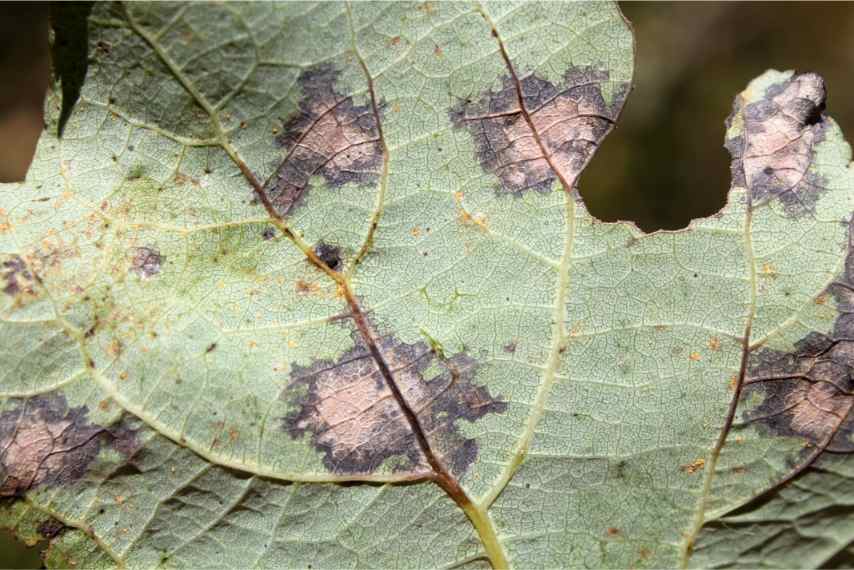
| Marssonina Leaf Spot | Fungus | Small brown spots that enlarge into black blotches, often leading to premature leaf drop. |
| Iron Chlorosis | Alkaline soil issues | Leaves turn pale yellow or white while the veins remain green. This is a nutrient deficiency, not a disease. |
| Cytospora Canker | Fungus | Sunken, discolored areas on the bark, often weeping amber-colored sap. This typically starts on lower branches. |
Definition: Canker
A canker is a localized area of dead tissue on a tree branch or trunk, typically caused by a fungal or bacterial infection. They enter through wounds or areas of stress and can eventually girdle and kill branches.
Spruce Tree Diseases and Pests
Spruce trees, such as the Colorado Blue Spruce, are vulnerable to specific pests and diseases, particularly when they are stressed by drought or poor planting.
- Ips Bark Beetles: These beetles attack the tops of spruce trees first, causing the crown to turn brown from the top down. Look for small exit holes and boring dust, similar to MPB but focused higher up.
- Cytospora Canker: As mentioned with Aspen, this fungus is common on stressed spruces. It causes branches to die, usually starting near the bottom of the tree and spiraling upward. Look for blue-tinged sap or resin oozing from the sunken cankers.
- Rhizosphaera Needle Cast: This fungal disease causes the innermost needles of the lower branches to turn brown and fall off, leaving a sparse, unsightly crown.
Prevention vs. Professional Treatment
The best defense against these regional threats is a healthy, vigorous tree. When should you handle it yourself, and when should you call Out on a Limb Tree Service?
- DIY Prevention (Ongoing Care): Ensure deep, consistent watering during dry periods, especially for evergreens in the winter. Keep the area around the base of the tree clean and free of debris to discourage pests.
- Professional Intervention (Arborist Services):
- Injections & Sprays: For bark beetles, preventive insecticide sprays or injections must be applied by a professional before the beetles attack.
- Canopy Thinning: Strategic tree trimming improves air circulation, which reduces the moist conditions that allow fungal diseases like Cytospora canker to spread.
- Removal: If a tree is fully infested or diseased and poses a risk to your property or other healthy trees, emergency tree removal services are often the safest and most responsible action.
Frequently Asked Questions
Q: Can I save a pine tree infested with Mountain Pine Beetle?
A: Once a pine tree shows the common signs of MPB (pitch tubes, red needles), it is usually too late to save the tree and it must be removed to prevent further spread.
Q: Are there resistant varieties of Aspen I can plant?
A: While all Aspens are susceptible to some issues, ensuring proper planting and maintenance (like deep watering) is the best way to keep them healthy and more resistant.
Q: Can I treat Cytospora Canker myself?
A: Canker management usually involves professionally pruning out the infected branches well below the canker, a job best left to an arborist to ensure proper cuts and safety.
Q: Does watering help prevent insect attacks?
A: Yes, keeping your trees properly watered reduces drought stress. Stressed trees are the primary targets for aggressive pests like the Ips and Mountain Pine Beetles.
Q: How do I dispose of a beetle-infested tree safely?
A: Infested wood should be disposed of quickly, either by chipping it, immediately burning it (where allowed), or moving it to a designated disposal site to prevent the beetles from emerging.
Q: Should I prune dead branches in the summer?
A: Removing dead branches (deadwood) can be done anytime. However, for major tree trimming or structural work, it is still best to wait until the tree is dormant in the winter.
Out on a Limb Tree Service: Your Local Tree Health Experts
Don’t wait until a small spot or borer hole turns into an irreparable problem. If you see signs of regional pests or diseases on your pine, aspen, or spruce trees, contact our team immediately for a professional assessment. We have the expertise and equipment to protect your trees or safely handle a difficult tree removal.
Author & Date:
By Out on a Limb Tree Services
Last Updated: September 15, 2025