
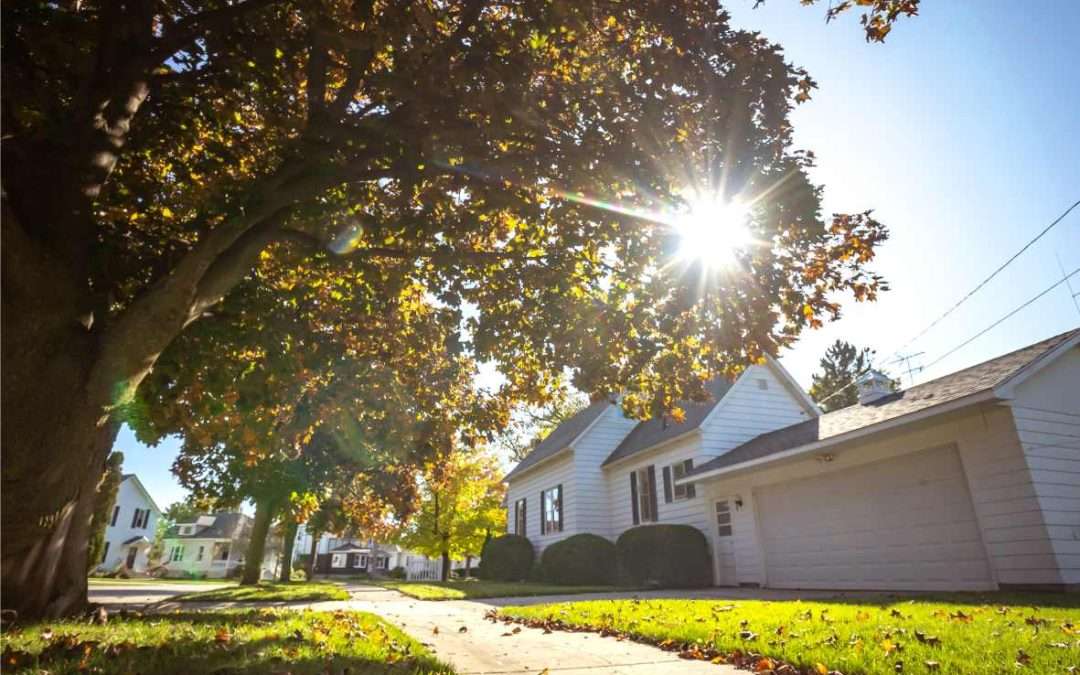
Landscaping in Wyoming, Idaho, and Utah presents unique challenges due to the arid climate, rocky soil, and extreme temperatures. Choosing the right trees that can thrive in these conditions is key to creating a beautiful, sustainable yard. By selecting native and drought-tolerant species, you can save water, reduce maintenance, and ensure your trees grow strong and healthy for years to come.
Table of Contents
- Why the Intermountain West is a Unique Challenge
- Native & Drought-Tolerant Tree Species
- Common Mistakes to Avoid
- The Role of an Arborist
- Frequently Asked Questions
- Contact Us Today
Why the Intermountain West is a Unique Challenge
The climate and soil in our region can be tough on many tree species. Our soils are often alkaline and rocky, and we experience hot, dry summers and very cold winters. This combination makes it hard for non-native trees to survive without constant care and excessive watering. Water conservation is a major concern, and choosing the right trees is a big part of creating a responsible and long-lasting landscape.
Native & Drought-Tolerant Tree Species
Choosing trees that are naturally adapted to our environment is the best way to ensure they thrive. Here are a few excellent options that do well in the Intermountain West.
- Quaking Aspen (Populus tremuloides): Known for its beautiful white bark and shimmering leaves, the Quaking Aspen is a fast-growing native tree that adds a distinct mountain feel to any landscape. It handles cold winters well and is great for creating natural groves.
- Rocky Mountain Maple (Acer glabrum): A small to medium-sized tree, this maple is a great choice for its adaptability. It offers beautiful fall colors and is a hardy, low-maintenance option for landscaping.
- Blue Spruce (Picea pungens): This evergreen is a symbol of the Rocky Mountains. It’s tough, drought-tolerant once established, and provides excellent year-round color and a great windbreak.
- Ponderosa Pine (Pinus ponderosa): A magnificent, large evergreen, the Ponderosa Pine is incredibly drought-resistant and adds a classic, forest-like feel. Its long needles and distinct bark make it a standout choice.
Common Mistakes to Avoid
When planning your landscape, a few key missteps can cause big problems down the road.
Definition: Xeriscaping Xeriscaping is a landscaping approach that reduces or eliminates the need for irrigation. It focuses on using native plants and efficient watering methods to conserve water.
How to avoid common mistakes:
- Don’t plant too close to structures. Trees need room to grow. Placing them too close to foundations, sidewalks, or power lines can lead to future damage and costly tree removal services.
- Avoid over-watering. Many people assume more water is better, but it can actually lead to root rot and other diseases. Focus on deep, infrequent watering.
- Choose the right species for your soil. Not all trees can handle the alkaline soil common in our region. Using native species reduces the need for constant soil amendments.
The Role of an Arborist
While DIY landscaping can be rewarding, an arborist brings professional expertise to the table. We can help you with proper tree selection, planting, and long-term care. An arborist can assess your specific soil and microclimate to recommend the best trees for your property. They also ensure that new plantings are placed correctly to prevent issues that could lead to a difficult tree removal down the line. Our team can help you plant a healthy tree from day one, setting it up for success and beauty for generations.
Frequently Asked Questions
Q: Can I plant a tree in the summer? A: It is generally best to plant in the spring or fall when temperatures are milder. This gives the tree time to establish its root system before facing extreme summer heat or winter cold.
Q: How often should I water a newly planted tree? A: A newly planted tree needs consistent moisture. Water it regularly for the first few months, focusing on a deep soak rather than frequent, shallow watering.
Q: Do I need to fertilize my new tree? A: Many native trees do not require fertilization if they are planted in a well-prepared area. An arborist can perform a soil test to determine if your tree needs extra nutrients.
Q: What is the best time of year to prune a tree? A: The best time for most tree pruning is during the late fall or winter when the tree is dormant. This promotes healthy growth and reduces the risk of disease.
Q: Are there any trees I should avoid planting? A: It’s best to avoid non-native species that are not well-suited to our climate and soil. Also, be aware of species with invasive root systems or those that are prone to disease in our region.
Q: What if I have an old tree that is not healthy? A: If a tree on your property is showing signs of disease or instability, it’s a good idea to have it assessed by a professional. We offer a full range of tree removal and stump grinding services for hazardous or unwanted trees.
Out on a Limb Tree Service: Your Partner in Tree Health
Creating a thriving landscape in the Intermountain West requires knowledge and care. By choosing the right trees and giving them a strong start, you’re making a long-term investment in your property. Our team is here to support you, from selecting the perfect species to providing professional tree trimming and maintenance.
Author & Date: By Out on a Limb Tree Services Last Updated: September 15, 2025